
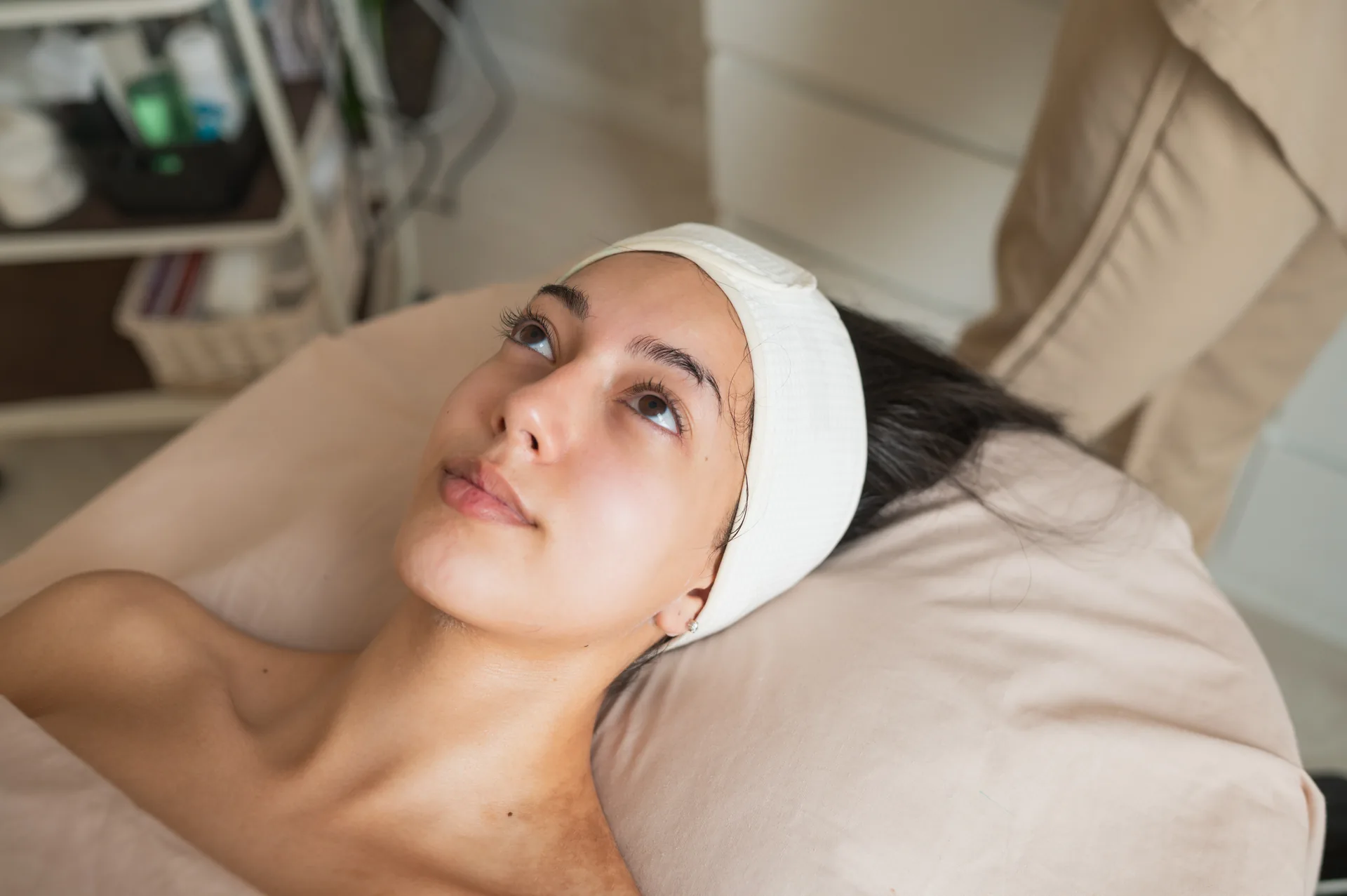
What is Botox®?
Botox is a purified form of botulinum toxin type A that binds to the neuromuscular receptor, blocking nerve signals from reaching the specific muscles it is injected into. This causes a temporary relaxation of the muscle, which dissipates in approximately 3 months. In small, targeted doses it softens the lines created by repeated facial expression. It is also used to treat facial asymmetry, synkinesis after facial paralysis, and excessive sweating.
Understanding Facial Wrinkling and Botox Treatment
Facial wrinkling occurs for several reasons in addition to aging. Loss of skin elasticity and sun damage can hasten the formation of frown lines and wrinkles in addition to a person’s genetics. Smoking and other lifestyle choices can also speed up this process. Wrinkles can be static or dynamic. Static wrinkles are those that are present even when the face is relaxed. Dynamic wrinkles are wrinkles that appear with various facial expressions, but go away when the face relaxes. Botox Cosmetic is highly effective in preventing wrinkles from setting in, but typically does not eliminate static or deep wrinkles. For static wrinkles, fillers are used. Botox® typically lasts an average of 3 months and will require repeat treatments when desired. Aside from treating wrinkles, Dr. Panossian performs Botox® injections in cases of facial asymmetry.
Botox for Facial Paralysis, Synkinesis, and Hyperhidrosis
Specifically, individuals who suffer from facial paralysis or have recovered incompletely from facial paralysis (Bell’s palsy) will occasionally require intervention for asymmetric facial movement. In addition, some patients may develop unwanted facial twitching (synkinesis) while recovering from facial paralysis. This twitching can be relentless and possibly permanent. Botox injection, placed precisely into specific muscle groups, can balance the face and relieve involuntary twitching. Dr. Panossian also performs Botox® injection into palms, feet, and armpits in people suffering from excessive sweating, or hyperhidrosis. This is a very effective treatment for sweating and, for many people, life changing. There are alternatives to Botox. These include Dysport® and Xeomin®. Consult with Dr. Panossian regarding the best option for you.
When should I use Botox®?
Botox® is used most frequently when facial wrinkling increases. Once the effect wears off in approximately 3 months, you can then repeat the treatment indefinitely. There is a growing trend to begin Botox® treatments when patients are in their 20’s and 30’s as a preventative measure. This may or may not be a good strategy for you. Dr. Panossian will go over the pros and cons of this approach and provide you with the best option.
What are some risks of Botox?
Botox injection has a well-established safety profile, but there are risks worth understanding. Being a paralytic agent, Botox® will paralyze any muscle with which it comes into contact. This can include adjacent muscles that are not necessarily the intended targets. One example of this is the possibility of a droopy upper eyelid from injection or migration of Botox® from forehead injections. Another example is sagging of the lower eyelids or smile with aggressive injections into crow’s feet or laugh lines. The unintended side effects are temporary and will allow for function to return as the Botox® wears off. Bruising may occur if a blood vessel beneath the skin is pierced. This problem typically occurs in the setting of recent use of anti-inflammatory medications such as Advil, ibuprofen, Motrin, Naprosyn, and aspirin. As a general rule, you should stop using these medications 10-14 days prior to injection to avoid this potential problem. In rare instances, Botox® injections may not fully have the full effects one desires. There are several reasons why this may occur including inadequate amount of product injected. Some individuals may also metabolize Botox® more quickly resulting in a shorter duration of effect than the average 3 months. And rarely, a vial of the product may contain inactive or denatured Botox®. Board certified plastic surgeon Dr. Panossian is committed to rectifying these issues so that you may have the anticipated result.
What is Andre Panossian, MD’s technique for injection of Botox?
Injection of Botox® is more art than science. It should not be taken lightly. Dr. Panossian does not believe in handing off these procedures to other staff members to perform. He performs all injections with an eye for artistry and a deep knowledge of facial anatomy. That matters for patient comfort and for the final result as much as for the technique itself. Dr. Panossian is an advocate of the conservative approach to administering Botox®. He injects only as much as necessary to achieve the intended result. This limits complications and keeps treatments more affordable. For Botox® injections, he administers a baseline amount of product and re-evaluates the effect in 2 weeks. If necessary, he will perform additional smaller quantity injections at the second visit. Dr. Panossian’s passion and extensive experience in this area stands out.
Frequently Asked Questions
What Botox office is near me?
Dr. Panossian’s office is at 39 Congress St., Suite 402, Pasadena, CA 91105, on the Huntington Hospital campus. He performs all Botox injections himself.
Schedule a Consultation
Dr. Panossian has received “Top Doctor” recognition from US News and World Report, Pasadena Magazine, and Los Angeles Magazine, and brings his expertise and perspective to every treatment. He has spent thousands of hours in the operating room dissecting facial planes, repairing nerves, and repositioning tissue. That anatomical understanding informs how he approaches non-surgical treatment. Whether you are exploring Botox® for the first time or maintaining prior results, you are in a surgeon’s hands. Schedule your consultation today.
Take the next step toward your aesthetic goals. Schedule a consultation with Dr. Panossian to discuss Botox® and explore your options.