

Regain Control Over Your Health With Andre Panossian, MD in Pasadena
Are you or a loved one struggling with the challenges of Neurofibromatosis Type 1 (NF1)? The physical manifestations of NF1, such as neurofibromas and café-au-lait spots, can affect your appearance, emotional well-being, and confidence. Thankfully, you do not have to face this journey alone. With two decades of experience specializing in treating NF1, Dr. Panossian understands the complexities of this condition and the unique emotions it stirs in patients living with it. With his expertise and compassionate approach, Dr. Panossian offers advanced treatments tailored to address the symptoms of NF1, providing relief and renewed vitality to patients in Pasadena, Glendale, and the San Gabriel Valley, as well as patients who travel from across the country and abroad.
Understanding Neurofibromatosis Type 1
Neurofibromatosis Type 1 (NF1), also known as von Recklinghausen disease, is a genetic disorder characterized by the growth of tumors along nerves in the skin and other body parts, including brain and spinal tumors. These tumors, called neurofibromas, may vary in size and number, leading to a range of symptoms and complications. Affecting about 1 in 2,000 to 3,000 individuals, NF1 typically presents with café-au-lait spots (light brown patches on the skin), skin-fold freckling, and Lisch nodules (tiny, harmless bumps on the iris). Beyond its dermatological manifestations, NF1 can affect various organ systems, potentially causing skeletal abnormalities, learning disabilities, and vision or hearing impairments. While NF1 symptoms can vary widely among affected individuals, the condition generally manifests during childhood and may worsen over time. This condition stems from mutations in the NF1 gene located on chromosome 17, responsible for encoding a regulatory protein crucial for nerve function. When this gene undergoes mutation, it disrupts the normal regulatory mechanisms, leading to uncontrolled cell growth and the characteristic manifestations of NF1. Early diagnosis and comprehensive management are essential for optimizing outcomes and addressing the multifaceted challenges associated with NF1.
Diagnosis: Key Characteristics of Neurofibromatosis Type 1
Diagnosing Neurofibromatosis Type 1 (NF1) involves a comprehensive evaluation of clinical features and genetic testing. The diagnosis is primarily based on clinical criteria established by the National Institutes of Health Consensus Development Conference. Key characteristics of NF1 include the following:
Nearly all individuals with NF1 will exhibit multiple café-au-lait spots from early childhood. These are flat patches on the skin, darker than the surrounding area, resembling the color of light coffee. These spots typically increase in size and number over time. Additionally, freckles in the underarms and groin often develop later in childhood. Neurofibromas are the hallmark of NF1, comprising noncancerous (benign) tumors usually found on or beneath the skin. They can manifest anywhere in the body, including along the nerves of the spinal cord. While most neurofibromas are benign, a small percentage may become cancerous, termed malignant peripheral nerve sheath tumors. NF1 also elevates the risk of developing other cancers, such as leukemia and brain tumors. Lisch nodules are benign growths on the colored part of the eye (iris). Typically observed during childhood, these nodules do not impact vision.
However, another type of tumor known as optic glioma can result in diminished or complete loss of vision. Optic gliomas are benign tumors growing along the optic nerve, which transmits signals from the eye to the brain. In certain cases, surgical removal of these tumors may be necessary. In addition to these primary features, individuals with NF1 may experience other associated problems such as high blood pressure, scoliosis, short stature, and learning disabilities. Genetic testing may be conducted to identify mutations in the NF1 gene, which confirm the diagnosis. A thorough physical examination, medical history review, and collaboration with genetic specialists are essential for accurate diagnosis and appropriate management of NF1. Early detection and diagnosis are critical for timely intervention and comprehensive care planning tailored to each individual's needs.
- More than six café-au-lait spots.
- More than two neurofibromas.
- One plexiform neurofibroma.
- Axillary or inguinal freckling (freckling in the armpits or groin area).
- Optic pathway gliomas.
- More than two Lisch nodules (small, pigmented nodules on the iris).
- Bone abnormalities, including sphenoid wing dysplasia or thinning of the long bone cortex.
- A family history of NF1.
NF Surgeon Speaking on NF1 Tumors
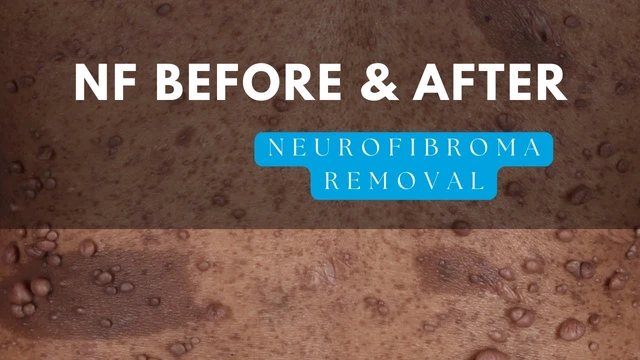
Before and After of NF1 Surgery for Tumor Removal
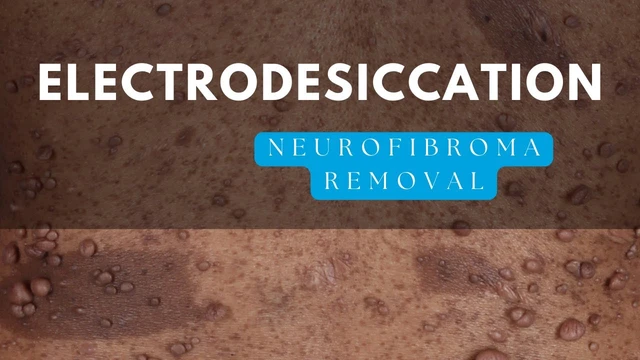
NF Surgeon Explains Electrodesiccation for NF1 Tumors
Removing Plexiform Neurofibroma | Explained by NF Surgeon
What to Expect From Neurofibromatosis Surgery
A plain-language guide to surgical treatment for neurofibromatosis — written for patients and families deciding whether surgery is the right next step, and what to expect if it is.
- What NF1, NF2-related schwannomatosis (formerly NF2), and schwannomatosis each involve
- When surgery helps, when it does not, and what success realistically means
- How cutaneous and plexiform tumors are approached differently
- Electrodesiccation, surgical excision, and staged reconstruction compared
- What recovery and recurrence actually look like
- Questions to ask any surgeon before proceeding
Newly Diagnosed With NF1: Next Steps
Have you or a loved one received a diagnosis of Neurofibromatosis Type 1 (NF1)? If so, the next crucial step is seeking specialized care from a Neurofibromatosis Clinic or consulting with neurologists or geneticists well-versed in this condition. Depending on the individual's specific symptoms and needs identified during a comprehensive evaluation, additional consultations with neurosurgeons or orthopedic surgeons may be necessary, particularly concerning brain masses or spinal issues. In many cases, the expertise of a plastic surgeon specializing in neurofibromatosis is essential, especially when tumors cause significant symptoms like pain or changes in appearance. With over a decade of experience treating patients with NF1, Dr. Panossian understands these cases' unique challenges and requirements. Our office, located near Glendale in Pasadena, CA, is dedicated to assisting you in navigating the referral process to ensure you receive the specialized care and support you need.
Neurofibromatosis Type 1 Treatments
Neurofibromatosis Type 1 (NF1) presents unique challenges that require tailored treatment approaches to manage its diverse symptoms effectively. Dr. Panossian offers comprehensive treatment options designed to address the specific needs of individuals with NF1, aiming to alleviate symptoms, minimize complications, and improve overall quality of life.
Surgical excision is a cornerstone treatment for NF1, targeting the removal of neurofibromas and other benign tumors associated with the condition. Dr. Panossian employs precise surgical techniques to excise tumors while minimizing damage to surrounding tissues, promoting optimal outcomes and reducing the risk of recurrence. By effectively removing tumors, surgical excision can alleviate pain, discomfort, and changes in appearance, restoring function and enhancing the patient's well-being.
Electrodesiccation is a specialized procedure used to treat neurofibromas and other cutaneous lesions characteristic of NF1. During electrodesiccation, high-frequency electrical currents are applied to targeted lesions, causing them to desiccate and shrink. Dr. Panossian utilizes this minimally invasive technique to effectively reduce the size and number of neurofibromas, improving skin appearance and reducing associated symptoms. With electrodesiccation, patients can experience enhanced comfort and cosmetic outcomes, enhancing their confidence and quality of life.
In addition to surgical interventions, medical management plays a crucial role in the comprehensive treatment of NF1. Dr. Panossian may recommend pharmacological therapies, including medications to manage pain, control blood pressure, or address other systemic manifestations of NF1. By combining surgical and medical approaches, Dr. Panossian ensures a comprehensive treatment plan tailored to each patient's individual needs, optimizing outcomes and promoting long-term health and well-being. For a broader look at day-to-day symptom management strategies, see our guide on managing neurofibromatosis symptoms with effective treatments.
The Benefits of Neurofibromatosis Type 1 Treatment
Living with Neurofibromatosis Type 1 (NF1) can present various challenges, impacting both physical health and emotional well-being. Dr. Panossian offers comprehensive treatment options tailored to address the specific needs of individuals with NF1, providing a range of benefits to enhance quality of life. Discover the transformative benefits of NF1 treatment below:
- Improved Symptom Management: Treatment for NF1 can effectively manage symptoms associated with the condition, including pain, discomfort, and changes in appearance caused by neurofibromas and other benign tumors. By addressing these symptoms, individuals experience enhanced comfort and improved overall well-being.
- Enhanced Cosmetic Outcomes: Surgical excision and electrodesiccation techniques can improve the appearance of the skin by reducing the size and number of neurofibromas and other cutaneous lesions characteristic of NF1. This process improves skin texture and tone, enhancing cosmetic outcomes and boosting self-confidence.
- Optimized Functional Outcomes: Surgical interventions for NF1, such as excision and electrodesiccation, aim to restore function and mobility by removing tumors that may impede movement or cause functional limitations. By optimizing functional outcomes, individuals with NF1 can enjoy improved physical capabilities and a higher quality of life.
- Emotional Support: Living with NF1 can be emotionally challenging, impacting self-esteem and overall mental well-being. Dr. Panossian and his team provide compassionate care and emotional support to individuals with NF1, addressing their concerns and empowering them to navigate their journey with confidence and resilience.
- Comprehensive Care: Dr. Panossian offers personalized treatment plans that address the diverse needs of individuals with NF1, combining surgical interventions with medical management and follow-up care. This comprehensive approach ensures patients receive holistic care tailored to their unique circumstances, optimizing treatment outcomes and promoting long-term health and well-being.
Regain Control Over Your Health
Dr. Panossian is a board-certified plastic surgeon whose clinical focus includes neurofibromatosis surgery and facial nerve reconstruction. He completed fellowship training in pediatric plastic surgery at the Hospital for Sick Children in Toronto under Dr. Ronald Zuker.
Whether you are seeking answers about your condition or exploring surgical options, Dr. Panossian can help you understand your choices and develop a personalized treatment plan tailored to your unique needs.
If you have been diagnosed with NF1, Dr. Panossian can help you understand your options and develop a personalized treatment plan.