
What is pediatric plastic surgery?
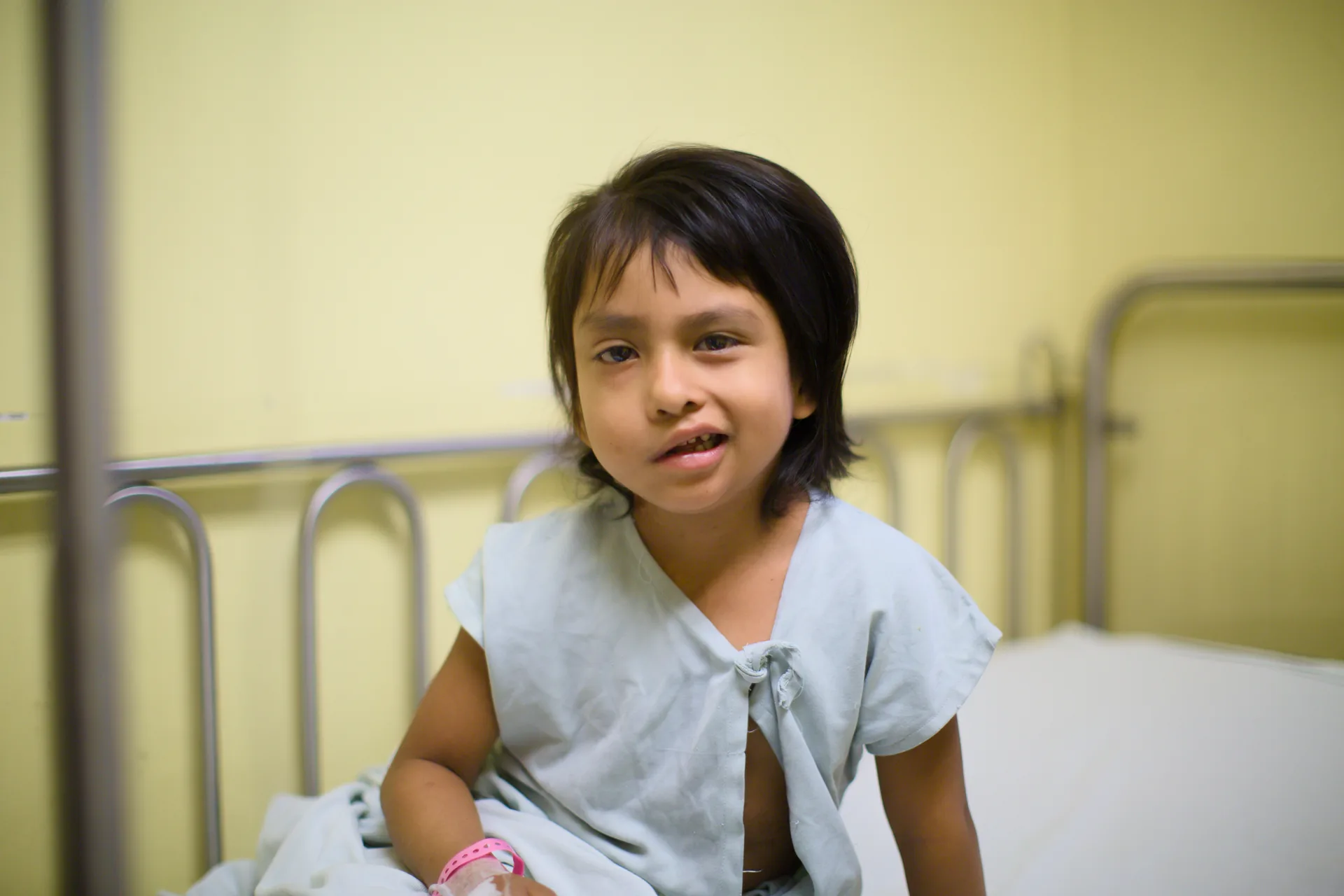
Pediatric plastic surgery is a subspecialty of plastic and reconstructive surgery that addresses the unique anatomy and needs of children. These are children born with birth differences, hurt in an accident, or bullied in school. Pediatric plastic surgeons are required to have 1–2 additional years of fellowship training beyond their plastic surgery residency. Although others may perform some pediatric procedures, it is important to inquire into their qualifications to treat children.
Dr. Panossian incorporates techniques from microsurgery, pediatric hand surgery, and vascular anomalies to treat children with complex conditions.
Whether your child has a simple or complex reconstructive problem, rest assured that Dr. Panossian brings the full depth of his training and experience to every case.
Craniofacial Conditions
Craniofacial differences are complex congenital or acquired conditions that affect the structure and appearance of the head and face. Often, multiple specialists — speech therapists, audiologists, psychologists, and geneticists — are required to treat the problems that can arise.

Cleft Lip & Palate
Among the most common birth differences (1 in 700 live births). Lip repair is typically performed around 3 months; palate repair around 10 months. Dr. Panossian restores the three layers of the lip — mucous lining, muscle, and skin — with precision that optimizes both function and appearance.
Microtia & Ear Reconstruction
Reconstruction of the underdeveloped or absent ear using rib cartilage grafting or prosthetic frameworks. Dr. Panossian's reconstructive training enables meticulous reconstruction that creates a natural-appearing ear.

Hemifacial Microsomia
A condition where one side of the face is underdeveloped, affecting the jaw, ear, and soft tissues. May involve ear tags, underdeveloped lower jaw, dental problems, and other facial asymmetries requiring staged reconstruction.

Apert & Crouzon Syndromes
Complex genetic syndromes affecting the skull, midface, hands, and feet. Dr. Panossian performs the hand and foot surgery — separating and reconstructing fused fingers and toes — while cranial vault and midface surgery are managed by the craniofacial team, with care coordinated across specialists.

Macrostomia & Facial Clefts
Rare lateral facial clefts requiring reconstruction of the oral sphincter muscle and skin layers. Surgery typically takes under 2 hours and can be performed on an outpatient basis with absorbable sutures.
Pediatric Hand & General Conditions
Dr. Panossian treats the full range of congenital and acquired hand differences in children — including syndactyly, polydactyly, radial club hand, thumb hypoplasia, macrodactyly, trigger thumb, and more — separating and reconstructing the hand to restore both form and function as a child grows.
Learn More About Pediatric Hand Surgery →
Dr. Panossian also treats general pediatric conditions including prominent ears (otoplasty), skin lesions, lumps and bumps, scar revision, and congenital nevi. His approach to every pediatric patient reflects the same philosophy — understand the anatomy completely, plan meticulously, and never settle for "good enough."
Cleft Lip & Palate Surgery
Cleft lip and palate differences manifest at birth and stem from anomalies during the 4th through 7th weeks of embryonic development. When the fusion of facial structures fails to complete, it results in a cleft of varying severity — from a small notch in the lip to a complete separation extending through the palate.
Surgery involves repositioning adjacent segments of the upper lip to restore continuity and function, with meticulous repair of the orbicularis oris muscle critical to restoring proper lip movement. Palate repair closes the oral and nasal linings along with the intervening muscle layers, enabling proper speech development.
The benefits extend beyond physical transformation — improved facial appearance, enhanced speech development, optimized feeding ability, reduced dental complications, and ultimately a more confident future. Dr. Panossian's surgical contribution works in concert with the orthodontists, speech therapists, and audiologists involved in a child's longer-term care.
Frequently Asked Questions
What conditions does pediatric plastic surgery treat?
Dr. Panossian's pediatric plastic surgery practice treats craniofacial conditions — including microtia and ear reconstruction, hemifacial microsomia, the hand and foot differences in Apert & Crouzon syndromes, macrostomia and facial clefts, and cleft lip & palate — along with a range of pediatric hand conditions (syndactyly, polydactyly, camptodactyly, and others) and general pediatric conditions such as prominent ears, birthmarks, and scar revision. Care is coordinated with other specialists as needed.
At what age is pediatric plastic or craniofacial surgery performed?
Usually, most elective surgical problems are addressed at approximately 5 years of age. However, other conditions such as symptomatic tumors, cleft lip/palate, are addressed earlier. There are yet other procedures that are done when kids are fully grown such as rhinoplasty.
Is pediatric plastic surgery covered by insurance?
We often go through insurance for reconstructive problems whenever appropriate. We are an out-of-network provider for all insurance carriers, but we are able to bill insurance for services.
Why choose Dr. Panossian for my child's plastic surgery?
Dr. Panossian is a board-certified plastic surgeon with fellowship training in pediatric plastic surgery at the Hospital for Sick Children in Toronto under Dr. Ronald Zuker, and in pediatric hand surgery and vascular anomalies under Drs. Joseph Upton and John Mulliken at Harvard-affiliated Boston Children's Hospital. He has extensive experience treating children with craniofacial differences, facial paralysis, and related conditions, and coordinates care with other pediatric specialists as needed.
Your Child Deserves Expert Care
Whether your child has a congenital condition, was injured in an accident, or needs reconstructive care, Dr. Panossian brings fellowship-trained expertise to every case. Virtual consultations are available for families outside Southern California.