Is There a Neurofibromatosis Diet? What Patients and Families Should Know
Quick answer: No — there is no special NF diet. Neurofibromatosis is a genetic condition, not a diet-related one, and no food, supplement, or elimination diet is medically established as changing tumor growth or the condition's course. Nutrition still matters around surgical recovery — and for certain NF1-related tumors in children that cannot be fully removed surgically, MEK inhibitor medications are an emerging (though limited) option. This guide explains what is actually established, clears up the diet myth, and outlines where surgical care fits into comprehensive NF management.
Patients and parents of children with neurofibromatosis (NF) often search for a specific diet or list of "foods to avoid" — hoping nutrition can slow tumor growth or prevent complications. Here is the direct answer, in Dr. Panossian's words: there is no special NF diet.
That said, general health and nutrition still matter for anyone managing a chronic condition and preparing for or recovering from surgery. This guide explains what is actually established about NF, clears up common diet myths, and outlines where Dr. Panossian's surgical expertise fits into comprehensive NF care.
What causes neurofibromatosis?
NF is not caused by anything a parent did or did not do, and it is not caused by diet, lifestyle, or environmental exposure. It is a genetic condition — sometimes inherited, sometimes arising spontaneously from a new mutation.
- NF1 is the most common form, affecting approximately 1 in 2,000 to 3,000 people, and is linked to a mutation on chromosome 17.
- NF2 is less common and primarily involves tumors on the vestibular nerves.
- Schwannomatosis is a third, rarer group, characterized by multiple nerve sheath tumors (schwannomas) and chronic pain.
Because NF originates from a gene mutation, no food, supplement, or elimination diet has an established role in preventing NF or stopping neurofibroma growth.
Why does this myth persist?
The "foods to avoid" search pattern is common across many genetic and chronic conditions, where patients understandably look for something within their control. With NF, the tumors — called neurofibromas — can develop anywhere nerve tissue exists, and when they affect the face, the impact extends beyond the physical into significant changes in appearance, functional impairment, and psychological burden. Patients searching for a diet fix are often really asking: "Is there anything I can do?" The honest, evidence-based answer is that the meaningful interventions for virtually all types of NF are surgical (whenever possible) and multidisciplinary — not dietary.
What Nutrition Does Matter for NF Patients
While there is no special NF diet, general nutrition still plays a real, defined role — specifically around surgery. Dr. Panossian does not provide nutrition counseling as a treatment for NF itself; his guidance is focused on surgical recovery:
"I don't do nutrition counseling specifically other than to make sure to keep up with a solid diet after surgery to maximize protein intake, whole foods, avoidance of processed foods/sugar in order to allow for the healing building blocks that the body will need."
In other words, the nutrition conversation for NF patients is not about tumor prevention — it is the same evidence-based, protein-forward, whole-food approach that supports healing after any surgery.
Is There a Medication for Neurofibromatosis? (MEK Inhibitors)
Many patients ask about MEK inhibitors, a newer class of medication used for certain NF1-related tumors in children (particularly plexiform neurofibromas) that cannot be fully removed surgically. Dr. Panossian's professional opinion:
"These medications are a good step forward in the treatment of NF, but they are limited in effect and there are no guidelines for how long to use, dosing, and what happens once treatment is stopped."
MEK inhibitors are a developing option worth discussing with a physician managing your NF care — not a replacement for surgical management of symptomatic facial tumors, and not something to start or stop without medical guidance given the open questions around duration and dosing.
What Actually Helps: A Multidisciplinary Approach
Rather than a diet plan, established NF management for facial involvement centers on a coordinated care team and, when appropriate, surgery:
- Tumor Management — Cutaneous, plexiform, and subcutaneous neurofibromas are monitored, and surgical removal is often the primary treatment for large or symptomatic tumors.
- Bone Management — Bone defects and differences are common in NF1 and require regular imaging and monitoring.
- Neurological Management — Regular neurological exams and imaging help detect complications like optic glioma early.
- Genetic Counseling — Discussing inheritance patterns and the implications of the chromosome 17 mutation responsible for NF1.
- Psychological Support — Counseling and support groups for the emotional dimensions of living with a visible facial condition.
- Multidisciplinary Team — Dermatologists, neurologists, geneticists, and ophthalmologists working together for comprehensive care.
How Facial Neurofibromatosis Is Surgically Treated
When NF involves the face, it can affect skin, soft tissue, bone, nerves, and blood vessels. Common facial manifestations include plexiform neurofibromas that distort facial contour, orbital involvement affecting the eye socket, eyelid and brow ptosis, redundant soft tissue, facial asymmetry, and facial nerve involvement that can cause paralysis or weakness.
Surgery for facial NF is among the most challenging areas of plastic surgery, since tumors are often intimately involved with critical nerves and blood vessels. Dr. Panossian's approach typically includes:
Staged Tumor Resection
Removing tumor tissue in carefully planned stages to minimize risk and optimize outcomes.
Nerve-Sparing Technique
Meticulous dissection to preserve functioning nerves whenever possible.
Soft Tissue Reconstruction
Reshaping and repositioning remaining tissue to restore facial contour and symmetry.
Orbital Reconstruction
Protecting the eye and restoring the eye socket when orbital structures are involved.
Facial Reanimation
Restoring movement if facial paralysis has resulted from tumor growth or prior surgery.
Electrodesiccation
A specialized technique for patients who develop numerous superficial skin neurofibromas, treating them individually using electrical current — efficient for addressing large numbers of small tumors in a single session.
Each surgical plan is highly individualized. Some patients benefit from a single procedure; others require multiple staged operations over months or years.
What about café-au-lait spots and diet?
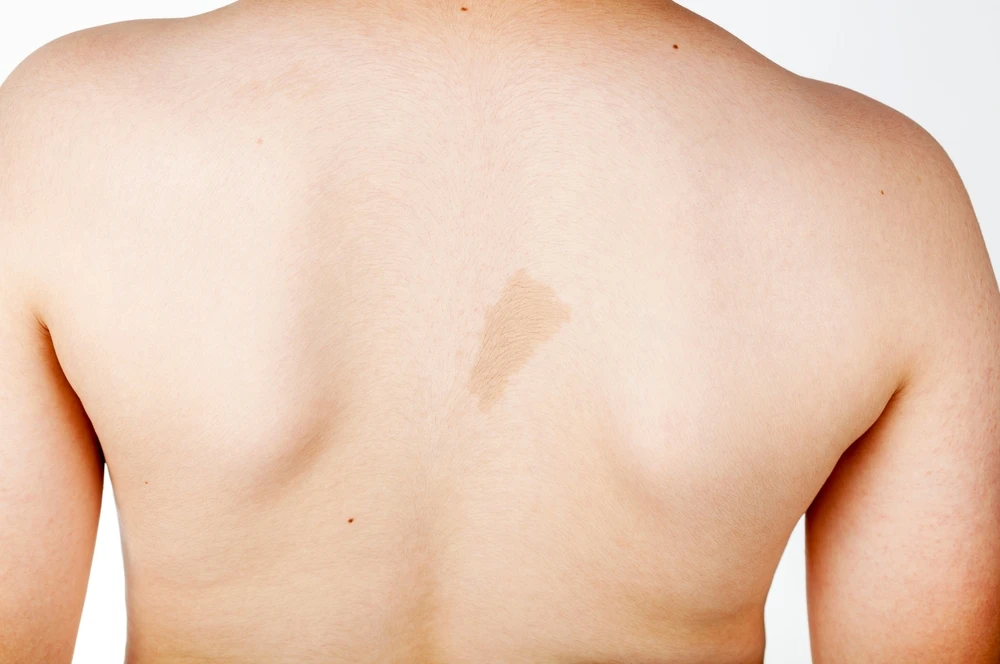
Café-au-lait spots — flat, pigmented skin patches — are one of the most recognizable early signs of NF1. Like the underlying condition, they are genetic in origin, not diet-related, and no food or supplement is established to fade or prevent them. Patients frequently searching for NF diet information are also searching related terms about café-au-lait spots; both point back to the same genetic — not nutritional — root cause.
FAQ
Is there a specific diet for neurofibromatosis?
No specific diet is medically established as changing the course of neurofibromatosis or preventing tumor growth. NF is caused by a gene mutation, not by nutrition.
Are there foods that make neurofibromatosis worse?
There is no established list of foods proven to worsen NF tumor growth or symptoms. Dr. Panossian's guidance is focused on surgical recovery, not NF itself: after surgery, patients should keep up with a solid diet that maximizes protein intake, emphasizes whole foods, and avoids processed foods and added sugar, to give the body the building blocks it needs to heal.
What actually helps manage neurofibromatosis?
A multidisciplinary care team — including dermatology, neurology, genetics, and ophthalmology — combined with surgical management of symptomatic tumors, is the established approach to managing facial NF.
Are MEK inhibitors a treatment for neurofibromatosis?
MEK inhibitors are a medication option for certain NF1-related tumors in children that cannot be fully removed surgically. In Dr. Panossian's professional opinion, they are a good step forward in the treatment of NF, but they are limited in effect, and there are currently no established guidelines for how long to use them, dosing, or what happens once treatment is stopped.
Can café-au-lait spots be prevented or treated with diet?
No. Café-au-lait spots are a genetic manifestation of NF1 and are not linked to diet.
Does surgery cure neurofibromatosis?
No. Surgery does not cure NF — it simply eliminates the burden of tumor at any given time point. New tumors can continue to form and grow, but symptomatic tumors are eliminated, often with significant improvement in appearance, function, and quality of life.
Talk to a Facial Neurofibromatosis Specialist
If you or a family member is managing facial neurofibromatosis, the most valuable next step is not a diet change — it is a conversation with a surgeon experienced in this rare and complex condition. Dr. Panossian specializes in neurofibromatosis surgery, including staged tumor resection, nerve-sparing technique, and facial reanimation for NF-related facial paralysis. Schedule a consultation to discuss a personalized treatment plan.